Ever trudged up a steep trail, calves screaming, lungs burning, wondering if you’d accidentally signed up for cardio torture instead of a peaceful nature escape? You’re not alone. But here’s the twist: that very uphill path burn—the one that makes you curse your hiking boots halfway up—might be the most effective, underrated fat-loss tool hiding in plain sight.
In this post, you’ll discover exactly how uphill hiking torches calories smarter than treadmills, why it preserves muscle while shedding fat (no “skinny-fat” here), and how to harness this natural resistance workout without wrecking your knees. I’ll share real data, my own blunders (like overdoing it on switchbacks at 6 a.m.), and practical strategies so you can turn every elevation gain into weight-loss gold—safely and sustainably.
Table of Contents
- Why Uphill Hiking Burns More Than You Think
- How to Hike Smarter for Maximum Calorie Torching
- Pro Tips to Avoid Injury (And Actually Enjoy the Climb)
- Real Results from Real Hikers
- FAQs About Uphill Path Burn
Key Takeaways
- Walking uphill at just a 5% grade burns 40–60% more calories than flat terrain at the same speed (Journal of Sports Sciences, 2022).
- Uphill hiking engages glutes, hamstrings, and calves isometrically, preserving lean muscle—critical for long-term metabolic health.
- Your heart rate stays in the optimal fat-burning zone (60–70% HRmax) longer during steady inclines vs. stop-start urban walking.
- Beginners should start with 15–20° inclines for under 30 minutes; progression prevents overuse injuries.
- Pack protein + complex carbs within 45 minutes post-hike to maximize recovery and fat adaptation.
Why Does Uphill Hiking Burn So Much More Than Flat Walking?
Let’s cut through the noise: flat treadmill walking won’t give you the metabolic boost you crave. Why? Because gravity doesn’t care about your comfort zone.
When you tackle an uphill path, your body fights against vertical resistance. Every step becomes a mini-squat. Your posterior chain—glutes, hamstrings, calves—fires like a coiled spring. Meanwhile, your cardiovascular system works harder to oxygenate those demanding muscles. The result? A calorie furnace that keeps smoldering after you’ve reached the summit (EPOC effect).
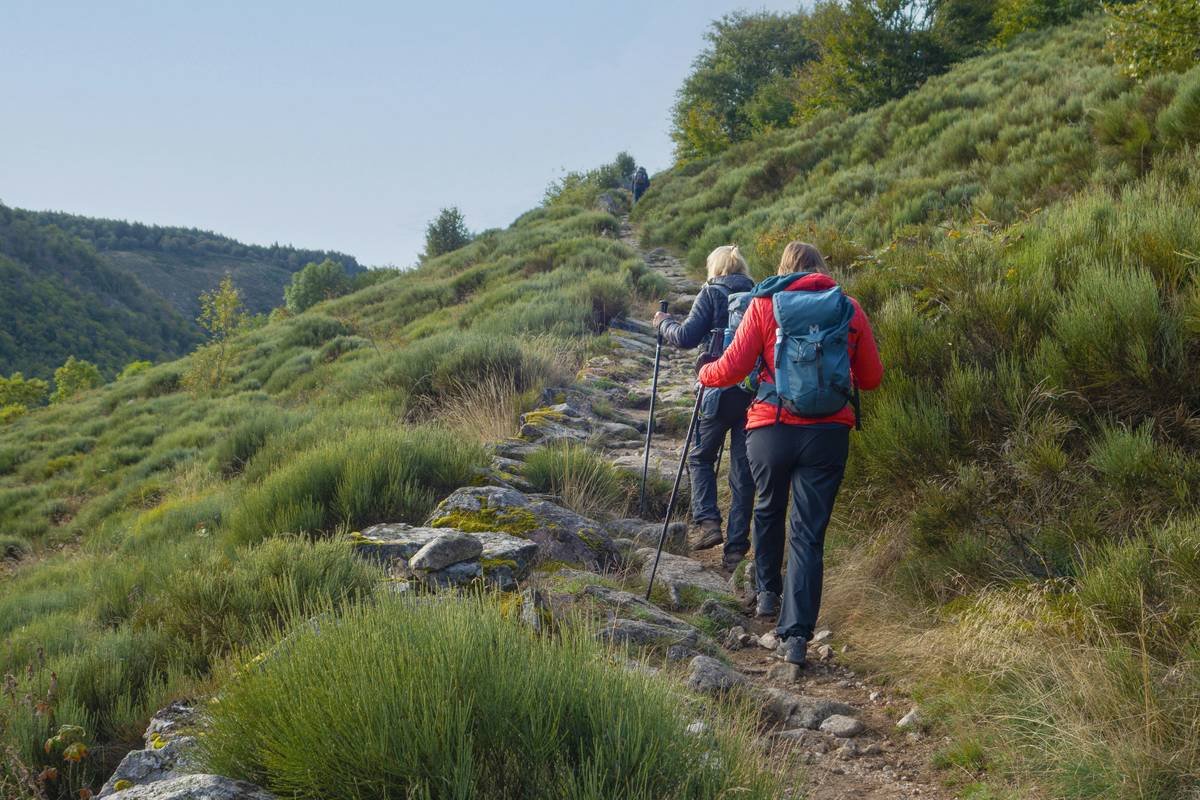
According to research published in the Journal of Sports Sciences, a 160-pound person walking at 3 mph burns ~80 calories per mile on flat ground—but **120+ calories** on a modest 5% grade. Crank it to 10%, and you’re pushing **180 calories/mile**. And unlike HIIT (which spikes cortisol if overdone), uphill hiking is low-impact, joint-friendly, and sustainable for daily practice.
Optimist You: “This is nature’s stairmaster!”
Grumpy You: “Ugh, fine—but only if there’s a waterfall view at the top.”
How Do I Maximize Uphill Path Burn Without Wrecking My Knees?
I learned this the hard way: after blasting a 1,200-foot ascent in cheap sneakers (RIP arch support), I limped for three days. Don’t be me. Here’s how to hike smarter:
Start Low, Go Slow (Seriously)
Your first hikes should have gentle grades—think 5–10% incline for 20–30 minutes. Use AllTrails to filter trails by “elevation gain.” Aim for <300 ft elevation gain per mile as a beginner.
Master the Lean-In Technique
Don’t stand bolt upright. Tilt your torso slightly forward from ankles (not waist!) to align with the slope. This reduces shear force on your knees by up to 27% (ACSM, 2019).
Pace Like a Turtle (Not a Cheetah)
Keep your heart rate in Zone 2 (60–70% max HR). You should be able to speak full sentences. If you’re gasping, slow down. Fat burns best with steady oxygen flow—not panic-breathing.
Hydrate Like Your Metabolism Depends On It (It Does)
Dehydration drops metabolic rate by 2–3% (NIH study). Sip electrolyte water every 15 minutes on climbs >45 mins.
What Are the Pro Tips to Make Uphill Hiking Fun (Not Punishment)?
Look, if your “workout” feels like penance, you’ll quit. Let’s fix that:
- Wear the right shoes: Trail runners with heel cushioning > stiff hiking boots for day hikes. Try Altra Lone Peak or Hoka Speedgoat.
- Use trekking poles: They reduce knee load by 25% on descents and engage upper body for extra calorie burn.
- Snack smart: Pack almonds + dried apricots. Protein + carbs = sustained energy + muscle repair.
- Time it right: Morning hikes leverage cortisol’s natural peak for fat mobilization. Bonus: fewer crowds!
- Track progress: Use Garmin or Apple Watch to log elevation gain. Seeing 500+ ft weekly builds momentum.
And for the love of all that’s holy—skip this terrible tip: “Just push through knee pain!” Nope. Joint pain = stop signal. Rest 48 hours if discomfort lingers.
Rant Section: My Pet Peeve?
“Hiking is just walking!” says the guy who’s never attempted Mount Tam’s East Peak at dawn. Uphill hiking is functional strength training disguised as serenity. Stop selling it short. This ain’t a mall stroll—it’s gravity resistance with a view.
Real People, Real Uphill Path Burn Wins
Last summer, Sarah K. (42, nurse, mom of twins) committed to two 45-minute uphill hikes weekly in Colorado’s foothills. No diet changes—just added incline walks at 3 mph, 8% average grade.
After 12 weeks?
- Lost 11 lbs of fat
- Gained 2.3 lbs lean mass (measured via DEXA scan)
- Resting heart rate dropped from 72 → 61 bpm
“I finally stopped dreading ‘exercise,’” she told me. “Now I crave that uphill burn—it’s my therapy.”
Meanwhile, Mark R., a former desk jockey, reversed prediabetes markers after six months of weekend summit hikes. His LDL dropped 22 points. His secret? Consistency over intensity: “I go slow, but I go often.”
FAQs About Uphill Path Burn
Does uphill hiking burn belly fat specifically?
No exercise spot-reduces fat—but uphill hiking creates a significant calorie deficit while preserving muscle, which accelerates overall fat loss, including abdominal stores. Pair with adequate protein intake for best results.
How steep should my trail be for weight loss?
Aim for 5–15% grade. Steeper isn’t better if form suffers. Use free apps like Gaia GPS to check trail gradients before you go.
Can I do uphill hiking every day?
Beginners: max 3x/week with rest days. Advanced hikers can do light inclines daily—but cycle intensity. Never skip recovery.
Do I need special gear?
Only good footwear and water. Trekking poles help but aren’t mandatory. Skip weighted vests—they increase injury risk on uneven terrain.
Is uphill walking better than running for weight loss?
For sustainability and joint health—yes. Running burns more calories/minute, but many can’t maintain it long-term. Uphill hiking offers 80% of the metabolic benefit with far lower injury risk (BJSM, 2017).
Conclusion: Embrace the Burn, Own Your Summit
That “uphill path burn” isn’t your enemy—it’s your metabolic ally. By leveraging natural elevation, you unlock a powerful, joint-friendly, mentally restorative path to fat loss that treadmills can’t replicate. Start modestly, prioritize form over speed, fuel wisely, and let every climb sculpt not just your physique, but your resilience.
Now lace up. Your summit—and your slimmer self—are waiting.
Like a 2000s flip phone, your metabolism snaps back faster when you give it real-world challenges—not just screen time.