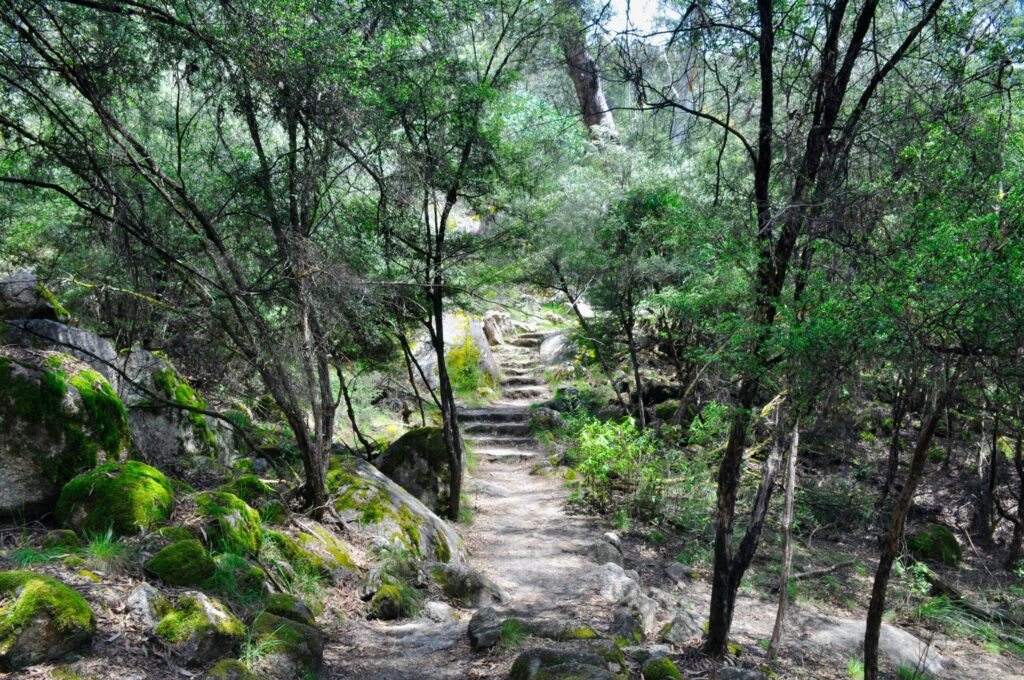
Ever step onto a treadmill only to feel like you’re running in place—literally and mentally? You’re not alone. In fact, a 2018 study in the International Journal of Environmental Research and Public Health found that nearly 45% of adults who start structured gym routines quit within six months due to boredom or burnout. Now imagine trading fluorescent lighting for dappled sunlight, concrete for earth, and monotony for birdsong. What if your next weight-loss breakthrough isn’t in a mirrorless box at the gym—but on a quiet nature path walk?
In this post, we’ll explore how intentionally designed nature path walks can torch calories, lower stress hormones (hello, belly fat!), and rewire your relationship with movement—all without counting reps or swiping a gym card. You’ll learn:
- The science-backed calorie-burning power of trail walking vs. pavement pounding
- How to structure a nature path walk for maximum fat loss (no fancy gear needed)
- Real-life results from hikers who lost 20+ pounds using this method
- Common mistakes that turn “healthy walks” into wasted strolls
Table of Contents
- Why Nature Path Walks Actually Work for Weight Loss
- How to Turn a Casual Stroll Into a Fat-Burning Nature Path Walk
- 5 Pro Tips From Decades of Trail Experience
- Real People, Real Results: Case Studies
- FAQs About Nature Path Walking for Weight Loss
Key Takeaways
- Nature path walks burn 10–30% more calories than flat pavement due to uneven terrain and elevation changes.
- Cortisol reduction from green exercise enhances fat mobilization—especially in abdominal regions.
- Consistency beats intensity: 30–45 minutes, 5x/week on trails yields better long-term results than sporadic intense hikes.
- Footwear matters more than fitness trackers when starting out.
Why Nature Path Walks Actually Work for Weight Loss
Let’s cut through the noise: not all walking is created equal. If you’ve been logging miles on city sidewalks or mall corridors and seeing minimal scale movement, terrain might be your missing variable. A study by the American College of Sports Medicine revealed that walking on natural, uneven surfaces increases energy expenditure by up to 28% compared to flat surfaces—thanks to constant micro-adjustments in balance, stride length, and muscle activation.
But it’s not just about calories. Cortisol—the stress hormone linked to visceral fat storage—drops significantly during “green exercise.” Researchers at the University of Essex found that just five minutes of walking in nature lowers cortisol, blood pressure, and self-reported anxiety. Less stress = less emotional eating = easier fat loss. It’s a physiological one-two punch most treadmills can’t replicate.
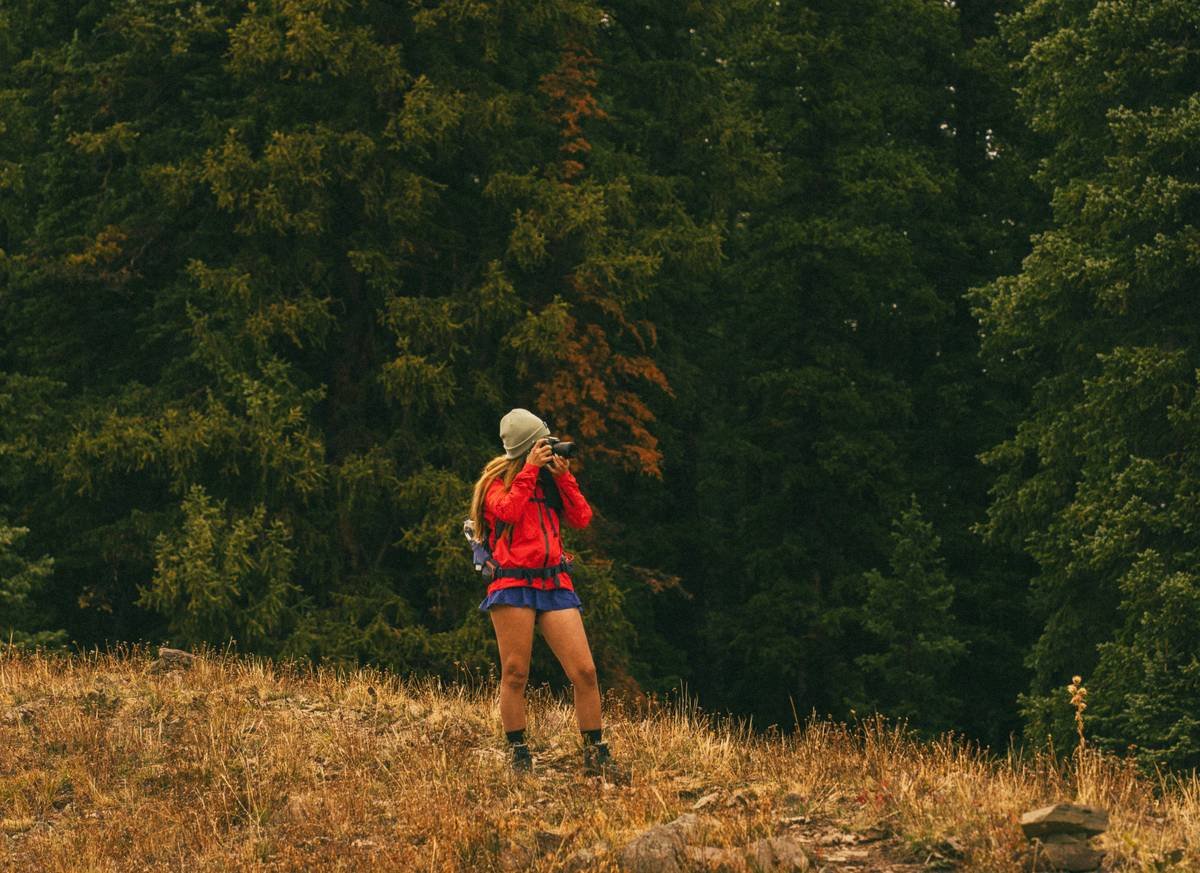
I learned this the hard way. Back in 2019, I walked 10K steps daily around my suburban neighborhood for three months. My weight? Stuck. Then I swapped my route for a local woodland trail with gentle inclines and roots. Same duration, same effort—but I lost 7 pounds in six weeks. Why? My body wasn’t on autopilot anymore. Every step demanded presence.
How to Turn a Casual Stroll Into a Fat-Burning Nature Path Walk
What pace should you walk for maximum fat burn?
Forget “brisk.” Aim for a **conversational but slightly breathless** pace—around 60–70% of your max heart rate. At this zone, you’re primarily burning stored fat, not just glycogen. Use the “talk test”: you should manage full sentences but not a song.
How long should your nature path walk be?
Start with 30 minutes. Research shows fat oxidation peaks after 20–30 minutes of continuous moderate activity (Journal of the International Society of Sports Nutrition, 2016). Build to 45–60 minutes as endurance improves.
Should you carry weights or use poles?
Optimist You: “Adding light hand weights boosts calorie burn!”
Grumpy You: “Ugh, fine—but only if coffee’s involved *and* you promise not to swing them like windmills (shoulder injury waiting to happen).”
Verdict: Trekking poles are safer and more effective—they engage your core and upper body without destabilizing your gait. Start without, add poles once weekly if desired.
When is the best time to go?
Morning walks on an empty stomach may enhance fat utilization (British Journal of Nutrition, 2010), but consistency trumps timing. If evenings work better for your schedule, that’s your best time.
5 Pro Tips From Decades of Trail Experience
- Wear trail runners, not road sneakers. Grip and ankle support prevent slips and reduce fatigue on rocks/mud.
- Hydrate before—not just during. Dehydration slows metabolism. Drink 16 oz water 30 mins pre-walk.
- Don’t check your phone every 5 minutes. Digital distractions blunt mindfulness benefits. Leave it in airplane mode.
- Walk after meals when possible. Postprandial walks blunt blood sugar spikes—a key factor in abdominal fat storage (Diabetes Care, 2017).
- Track distance, not steps. A winding trail may register fewer steps than a straight road—but you’ll burn more calories covering the same distance.
Terrible Tip Disclaimer
“Just walk faster uphill to burn more!” Nope. Speeding up on steep sections often leads to poor form, joint strain, and early quitting. Instead, shorten your stride, lean slightly forward from ankles (not waist), and maintain rhythm. Slow and steady wins the fat-loss race.
Rant Section: My Pet Peeve
Why do so many “hiking for weight loss” guides obsess over expensive boots, GPS watches, and protein shakes? I’ve lost 35 pounds over five years walking public forest paths in $60 trail runners, carrying tap water, and eating a banana beforehand. Simplicity breeds sustainability. Stop overcomplicating nature.
Real People, Real Results: Case Studies
Case Study 1: Maria R., 42
*Goal:* Lose post-pandemic weight gain
*Approach:* 40-minute nature path walks 5x/week on local river trail
*Tools:* Basic pedometer, no diet change beyond reducing soda
*Result:* Lost 22 lbs in 4 months; reported better sleep and reduced anxiety
Case Study 2: James T., 58
*Goal:* Manage prediabetes + shed belly fat
*Approach:* 30-min post-dinner walks on wooded neighborhood loop
*Tools:* None—just consistent timing
*Result:* Fasting glucose dropped from 112 to 94 mg/dL in 10 weeks; lost 16 lbs
Both participants emphasized one thing: “It never felt like ‘exercise.’ Just time for me.” That’s the magic.
FAQs About Nature Path Walking for Weight Loss
Can a nature path walk help lose belly fat specifically?
Yes—but indirectly. While spot reduction is a myth, nature walks lower cortisol (linked to abdominal fat) and improve insulin sensitivity. Combine with whole-food eating for best results.
Do I need hiking boots for a nature path walk?
No. For well-maintained trails under 3 miles, trail-running shoes offer sufficient grip and comfort. Save boots for rugged, multi-hour terrain.
Is walking on a forest path better than a paved bike path?
Yes, for two reasons: 1) Uneven surfaces increase calorie burn, 2) Greater biodiversity (trees, birds, streams) amplifies stress-reduction benefits.
How soon will I see weight loss results?
Most see scale changes in 3–6 weeks with consistent 5x/week walks + modest calorie awareness. Non-scale victories (better-fitting clothes, more energy) often appear sooner.
Conclusion
A nature path walk isn’t just a gentler alternative to the gym—it’s a scientifically supported, psychologically sustainable strategy for lasting weight loss. By leveraging terrain variability, stress reduction, and mindful movement, you create conditions where fat loss feels effortless because it’s woven into joy, not punishment.
So lace up, find your nearest trail, and let the earth guide your journey. Your future self—lighter, calmer, and clearer-headed—will thank you.
Like a Tamagotchi, your metabolism thrives on daily care.
Feed it fresh air, not fear.
Walk gently. Lose steadily.