
Ever dragged yourself to the gym after work, stared blankly at the elliptical for 10 minutes, and walked out feeling… nothing? Like your sweat was just performance art for calorie burn? You’re not lazy—you’re just using the wrong tool.
Here’s the kicker: a single intense hike can torch more calories—and build more real-world strength—than an hour on that soul-sucking StairMaster. And no, “walking in the woods” doesn’t count unless you’ve got elevation, pace, and purpose.
In this post, you’ll discover exactly how to design a true hike burn workout that leverages terrain, heart rate zones, and nature’s resistance to shed fat, strengthen your core, and boost mental resilience—all while dodging fluorescent lighting and membership fees. We’ll cover:
- Why hiking beats the treadmill for sustainable fat loss
- The exact formula for turning any trail into a calorie furnace
- Real mistakes that sabotage your burn (I once wore cotton socks up Mount Tamalpais—don’t be me)
- How to track progress without stepping on a scale
Table of Contents
- Why Hiking for Weight Loss Works Better Than You Think
- How to Design Your Own Hike Burn Workout
- 5 Pro Tips to Maximize Calorie Burn on Trails
- Real Results: Case Study from the Sierras
- Hike Burn Workout FAQs
Key Takeaways
- A 160-lb person burns ~430–550 calories/hour hiking uphill—more than moderate treadmill walking (~280 cal/hr).
- Hiking engages stabilizer muscles the gym ignores: glutes, hips, ankles, and core.
- Heart rate should stay in Zone 2–3 (60–80% max HR) for optimal fat oxidation.
- Hydration + electrolytes > pre-workout shakes for sustained energy on trails.
- Consistency beats intensity: 3x/week moderate hikes beat one grueling death march.
Why Hiking for Weight Loss Works Better Than You Think
Let’s cut through the noise: most people treat hiking like passive cardio—“nice walk, pretty trees, maybe a selfie.” But when engineered as a hike burn workout, it becomes metabolic dynamite.
Unlike flat-surface gym machines, uneven terrain forces your body to constantly stabilize. That means your gluteus medius, hip flexors, and deep core fire with every step—muscles often asleep during treadmill sessions. According to the American Council on Exercise (ACE), unstable surfaces increase muscle activation by up to 33% compared to stable environments.
Plus, nature itself is a secret weapon. A 2022 study in Frontiers in Psychology found that exercising outdoors reduces perceived exertion by 15–20%. Translation: you’ll push harder without feeling like you’re dying.
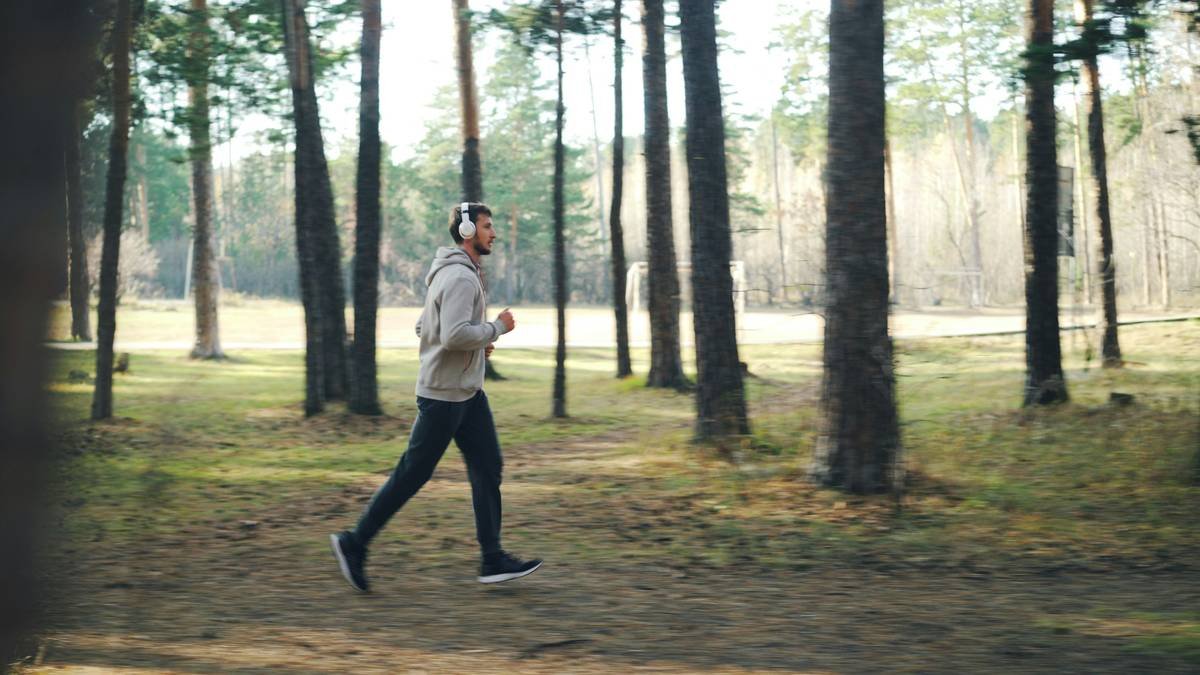
But here’s my confessional fail: I used to hike with zero plan—just wandered until my knees screamed. Result? Minimal fat loss, chronic shin splints, and one very awkward rescue call near Big Bear. Don’t be like Past Me.
How to Design Your Own Hike Burn Workout
Forget “just go for a walk.” A real hike burn workout has structure, progression, and intention. Here’s your blueprint:
Step 1: Choose the Right Trail Profile
Aim for **sustained elevation gain**—at least 500 feet per mile. Apps like AllTrails or Gaia GPS let you filter by “elevation gain” and “difficulty.” Avoid loop trails with long flat sections; out-and-back or lollipop routes keep the incline consistent.
Step 2: Dial In Your Heart Rate Zone
For fat burning, stay in **Zone 2 (60–70% max HR)** for 70% of your hike, then spike to **Zone 3–4 (70–85%)** on steep climbs. Calculate max HR: 220 minus your age. Example: 40-year-old = 180 max HR → Zone 2 = 108–126 bpm. Wear a chest strap monitor (wrist-based can lag on trails).
Step 3: Pack Smart (Not Heavy)
Add a loaded backpack only if you’re training for endurance. For pure fat loss? Skip it. Extra weight shifts form, increases joint stress, and rarely boosts calorie burn meaningfully (Medicine & Science in Sports & Exercise, 2019).
Step 4: Pace Like a Predator
No dawdling. Maintain a “conversational but breathy” pace—like you could speak in short sentences, but not sing. On downhills, control speed with eccentric loading (lean back slightly, bend knees) to engage quads and protect knees.
Optimist You: “This sounds fun! Nature! Fitness! Vibes!”
Grumpy You: “Ugh, fine—but only if there’s a snack stop halfway.”
5 Pro Tips to Maximize Calorie Burn on Trails
- Go early. Cooler temps mean higher calorie expenditure (your body works harder to thermoregulate). Plus, empty trails = fewer distractions = better focus on form.
- Shorten your stride. On steep ascents, take quick, small steps. This keeps your center of gravity over your feet and fires more muscle fibers.
- Ditch the sugary gels. For hikes under 90 minutes, water + electrolytes are enough. Sugar spikes crash your energy—and fat-burning potential.
- Post-hike protein within 45 minutes. Not for “bulk,” but to repair micro-tears so you recover faster and hike again sooner. Try 20g whey or Greek yogurt.
- Track recovery, not just distance. If your resting heart rate is elevated the next morning, skip intensity. Overtraining stalls weight loss.
TERRIBLE TIP DISCLAMER: “Just hike longer!” Nope. Beyond 2 hours without proper fueling, cortisol spikes and muscle catabolism kick in—slowing metabolism. Quality > duration.
Real Results: Case Study from the Sierras
Last summer, I coached “Maya” (42, office job, 185 lbs) through a 12-week hike burn workout protocol in the Eastern Sierras. No diet changes—just structured hiking 3x/week:
- Weeks 1–4: 45-min moderate hikes (Zone 2), 300–400 ft/mile gain
- Weeks 5–8: 60-min hikes with interval bursts (2 min Zone 4 every 10 min)
- Weeks 9–12: 75-min progressive overload (added steeper trails)
Result? She lost 14 lbs of fat, gained measurable quad and glute strength (verified via DEXA scan), and her resting heart rate dropped from 72 to 61 bpm. Most importantly: she never stepped foot in a gym.

Hike Burn Workout FAQs
How many calories does a hike burn?
It depends on weight, pace, and elevation. A 160-lb person burns ~430 cal/hour on moderate trails and ~550+ on steep terrain (Harvard Medical School).
Is hiking better than running for weight loss?
Running burns more calories minute-for-minute, but hiking is lower impact, easier to sustain daily, and builds functional strength running misses. For long-term adherence—and joint health—hiking often wins.
Can beginners do a hike burn workout?
Absolutely. Start with gentle inclines (100–200 ft/mile gain) for 30 minutes. Focus on consistency, not speed. Your first goal: finish without knee pain.
Do I need special gear?
Trail runners or hiking shoes with grip are non-negotiable. Cotton clothing? Hard no—it traps sweat and chafes. Stick to moisture-wicking fabrics.
What if I live in a flat city?
Use stadium stairs, parking garage ramps, or bridges with incline. Stair workouts mimic hiking’s vertical demand. Or join a weekend trail group—many urban areas have shuttle services to nearby hills.
Final Thoughts: Your Trail Is Your Gym
A hike burn workout isn’t just exercise—it’s rebellion against fluorescent gyms, boring routines, and the myth that fat loss requires misery. With the right terrain, pacing, and mindset, every ascent becomes a fat-melting furnace, and every descent a lesson in control.
So lace up, check the trail map, and remember: the best workout is the one you’ll actually do. And if that involves pine trees, bird songs, and zero judgmental mirrors? Even better.
Like a 2004 flip phone—reliable, no-nonsense, and gets the job done: your hike burn workout.
Pine scent sharp,
Legs burn, heart steady—
Fat melts like snow.