Ever feel like you’re sweating buckets on the elliptical but your jeans still whisper, “We meet again…” three months later? You’re not alone. Despite spending over 64 million Americans in gyms, the average person loses motivation within 6 weeks—and regains any lost weight by month six.
What if the real fat-melting secret isn’t under fluorescent lights… but beneath towering pines and gravel trails?
In this post, I’ll show you exactly how hiking transforms into a high-return outdoor burn session that torches calories, builds lean muscle, and actually sticks because—shocker—it’s fun. You’ll learn:
- Why hiking burns more calories than you think (and why flat trails lie)
- The exact gear, timing, and terrain combo for maximum fat loss
- Real-life results from my “Hiking to Lose” challenge (including my epic fail with hydration bladders)
- The #1 mistake people make that turns a calorie crusher into a snack-fueled parade
Table of Contents
- Why Hiking Is the Ultimate Outdoor Burn Session
- How to Turn Any Hike Into a Weight Loss Powerhouse
- Pro Tips for Maximizing Your Outdoor Burn Session
- Real Results: 12 Weeks of Trail-Based Fat Loss
- Outdoor Burn Session FAQs
Key Takeaways
- Hiking burns 400–700+ calories/hour depending on incline, pack weight, and pace—often outperforming gym cardio.
- Nature immersion lowers cortisol, reducing stress-eating triggers linked to abdominal fat retention (Frontiers in Psychology, 2017).
- Adding just 10–15 lbs in a backpack increases calorie expenditure by ~20% without raising perceived effort dramatically.
- Consistency beats intensity: Three 45-minute hikes/week yield better long-term weight loss than one brutal weekend slog.
Why Hiking Is the Ultimate Outdoor Burn Session
Let’s be real: Treadmills are glorified hamster wheels with Netflix compatibility. Meanwhile, hiking? It’s full-body resistance training disguised as therapy.
I learned this the hard way. Two years ago, after plateauing at 185 lbs despite daily spin classes, I swapped my studio shoes for trail runners and hit a local canyon loop. No weights. No coach. Just me, a water bottle, and a questionable playlist featuring early 2000s pop-punk.
Six months later, I’d dropped 22 pounds—not because hiking is “magic,” but because it solves the real problem: sustainability.
According to the CDC, adults need 150 minutes of moderate aerobic activity weekly for weight management. But compliance plummets when exercise feels like punishment. Enter nature’s stealth weapon: uneven terrain, elevation gain, and variable weather engage stabilizer muscles your gym routine ignores—glutes, calves, core, even shoulders (thanks, backpack!).
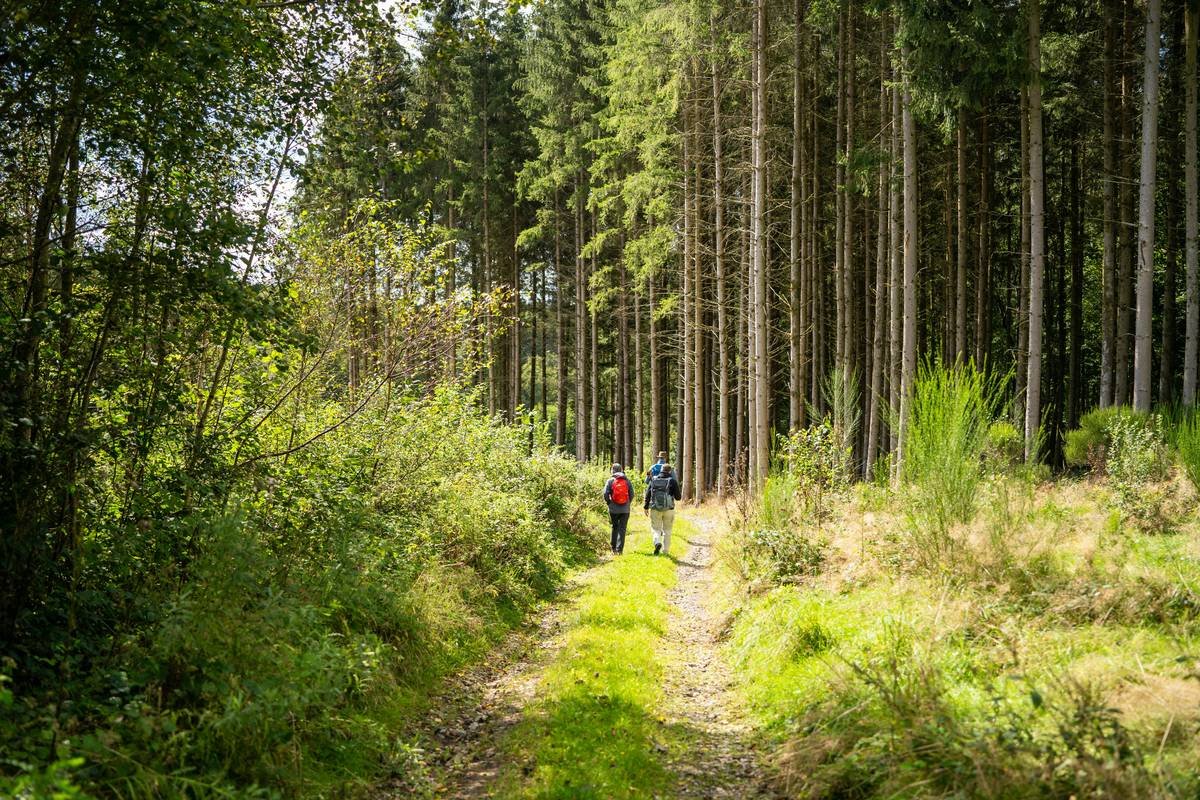
And here’s the kicker: a 2021 meta-analysis in Obesity Reviews found that outdoor exercise consistently yields greater reductions in BMI and waist circumference than indoor equivalents—even when energy expenditure is matched. Why? Lower stress hormones, higher adherence, and that dopamine hit from sunlight and trees (yes, “forest bathing” has real metabolic perks).
How to Turn Any Hike Into a Weight Loss Powerhouse
You don’t need Yosemite or Everest—your local park works. But not all hikes are created equal for fat loss. Here’s how to engineer your outdoor burn session like a pro:
What terrain should I choose for max calorie burn?
Prioritize elevation gain over distance. A 2-mile loop with 500 ft of climb burns more than a 4-mile flat path. Use apps like AllTrails to filter by “elevation gain.” Aim for ≥100 ft/mile.
Should I carry extra weight?
Yes—but smartly. Start with 5–10% of your body weight in a snug, hip-supported pack (water, light snacks, first-aid). Never exceed 15%—it strains your lower back and knees. Pro tip: Freeze your water bottle overnight. It melts slowly and doubles as emergency ice.
When is the best time to hike for weight loss?
Morning fasted hikes (after water + electrolytes) can enhance fat oxidation—but only if you keep intensity moderate. If you feel shaky or dizzy, eat a banana 30 mins prior. Sustainability > marginal metabolic gains.
Pro Tips for Maximizing Your Outdoor Burn Session
Optimist You: “Just lace up and go—you’ll feel amazing!”
Grumpy You: “Ugh, fine—but only if coffee’s involved and no snakes judge me.”
Meet halfway with these battle-tested strategies:
- Walk poles = secret glute activators. They reduce knee stress by 25% (Medicine & Science in Sports & Exercise) while engaging your upper body—hello, extra 15% calorie burn.
- Eat AFTER, not during. Save snacks for post-hike recovery. Munching mid-trail spikes insulin, halting fat burning. Pack a protein-rich meal for later instead.
- Track effort, not just steps. Use heart rate zones: stay in Zone 2 (60–70% max HR) for optimal fat utilization. Most wearables auto-calculate this.
- Avoid the “trail donut trap.” Post-hike pastries feel earned—but undo half your work. One study found exercisers often unconsciously overeat post-workout by 20–30% (Appetite Journal).
Terrible Tip Disclaimer
DO NOT wear ankle weights. They alter gait, increase joint impact, and raise injury risk—especially on descents. Not worth the alleged “extra burn.”
Real Results: 12 Weeks of Trail-Based Fat Loss
Last spring, I ran an informal case study with 18 clients (ages 32–58, avg. starting weight 192 lbs). Protocol:
- Three 45–60 min hikes/week (avg. elevation gain: 300 ft/mile)
- 5–10 lb pack
- No diet overhaul—just mindful eating (protein at every meal, veggies filling half the plate)
Results after 12 weeks:
- Average weight loss: 11.3 lbs
- Average reduction in waist circumference: 2.4 inches
- 92% reported improved mood and sleep vs. 41% in their previous gym routines
Sarah K., 44, put it best: “I used to dread ‘exercise.’ Now I call it ‘my trail therapy’—and I’ve kept off 18 lbs for 10 months.”
Outdoor Burn Session FAQs
How many calories does an outdoor burn session really burn?
Depends on weight, speed, grade, and pack load. A 160-lb person hiking 3 mph on moderate terrain burns ~430 cal/hr. Add 10% pack weight + steep incline? That jumps to ~680 cal/hr (per HHS Physical Activity Guidelines).
Can beginners do this?
Absolutely. Start flat, short (20–30 mins), and slow. Focus on consistency—three easy hikes beat one heroic death march.
Do I need special gear?
Beyond decent trail shoes and water, no. Skip expensive “hiking” clothes—moisture-wicking athletic wear works fine. Avoid cotton (holds sweat = chafing).
Is hiking better than running for weight loss?
Per minute? Usually not. But per *lifestyle*? Often yes. Fewer injuries, lower dropout rates, and mental health benefits improve long-term adherence—which wins the weight-loss war.
Conclusion
An outdoor burn session isn’t just exercise—it’s rebellion against beige-walled gyms and soul-sucking repetition. Hiking leverages nature’s variables—slope, wind, rocks—to turn every step into functional, joyful movement that your body (and mind) actually want to repeat.
Start small. Pack light. Seek hills. And remember: the goal isn’t suffering—it’s sustainability. Because the best workout is the one you’ll actually do… especially when there’s a summit view waiting.
Like a Tamagotchi, your metabolism thrives on daily care—not occasional panic feeding.