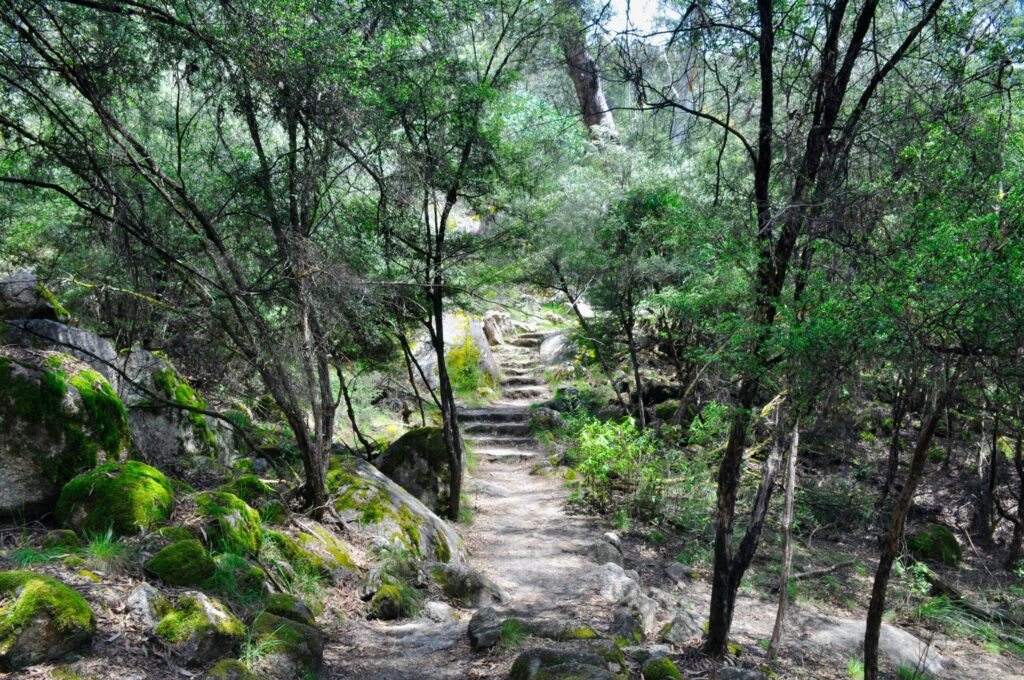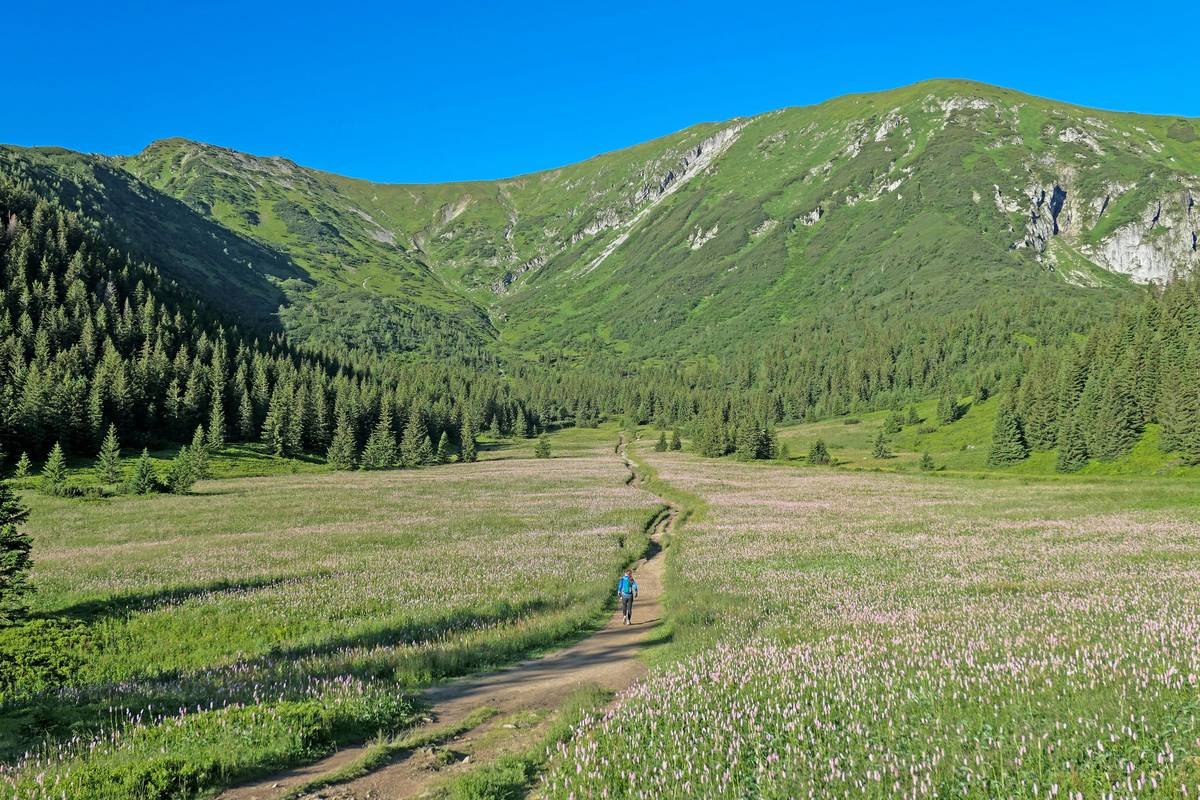
Ever stared at your gym membership receipt while your shoes gather dust in the closet? You’re not lazy—you’re just stuck in a calorie-burning loop that feels more like punishment than progress. Here’s the wild truth: one hour of moderate hiking burns 430–550 calories (Harvard Health Publishing), all while reducing cortisol, boosting mood, and costing exactly $0—if you know where to go.
This post isn’t another “just walk more” pep talk. I’m a certified health coach and lifelong trail junkie who once lost 28 pounds by swapping spin class for switchbacks—and nearly twisted my ankle chasing a false promise of “flat belly trails.” Nope. Real weight loss through hiking is strategic, sustainable, and rooted in what I call eco meadow fitness: intentional movement in biodiverse green spaces that nourish body and mind.
You’ll learn:
- Why eco meadow fitness outperforms indoor cardio for fat loss and mental resilience
- How to design hikes that actually torch calories (hint: it’s not about distance)
- Real mistakes I made—and how to avoid them—while hiking for weight loss
- Science-backed tips to maximize metabolism on the trail
Table of Contents
- Why Eco Meadow Fitness Beats the Gym for Sustainable Weight Loss
- How to Hike for Weight Loss: A Step-by-Step Trail Plan
- 7 Eco Meadow Fitness Best Practices (Backed by Science)
- Real Results: My 12-Week Hiking Weight Loss Journey
- Eco Meadow Fitness FAQs
Key Takeaways
- Eco meadow fitness combines nature immersion with strategic hiking to enhance fat oxidation and reduce emotional eating.
- Calorie burn increases by up to 27% on uneven terrain vs. flat surfaces (Journal of Sports Sciences).
- Hiking 3x/week for 45+ minutes can lead to 1–2 lbs of fat loss per week when paired with mindful nutrition.
- Avoid “trail tourism”—short, infrequent hikes won’t cut it. Consistency + progressive challenge = results.
- Always prioritize safety: hydration, proper footwear, and trail awareness prevent injury and burnout.
Why Eco Meadow Fitness Beats the Gym for Sustainable Weight Loss
Let’s be brutally honest: most people quit fad diets and intense workouts because they feel deprived, bored, or beaten down. But eco meadow fitness flips the script. It’s not about punishing your body—it’s about inviting it into a living ecosystem where every step feels purposeful.
Research shows that exercising in natural environments (“green exercise”) significantly lowers stress hormones like cortisol—which, when chronically elevated, promotes abdominal fat storage (Environmental Science & Technology, 2010). Plus, exposure to phytoncides (natural compounds released by trees) boosts natural killer cell activity, supporting immune function during calorie deficits.
I used to believe I needed a Peloton to “count” my workout. Then I tried a 5-mile loop through a restored prairie meadow outside Boulder—sun on my skin, birdsong overhead, legs burning on the uphill climb—and realized I’d accidentally done more core engagement than six months of crunches. That’s the magic: when your brain forgets it’s “working out,” your body works harder without resistance.

How to Hike for Weight Loss: A Step-by-Step Trail Plan
What gear do I actually need?
Optimist You: “Just wear sneakers!”
Grumpy You: “Ugh, fine—but only if you want blisters AND shin splints.”
Seriously: invest in trail runners with grip (Merrell, Altra, or Salomon). No cotton clothes—they retain sweat and cause chafing. Pack a hydration vest (2L minimum) and a small first-aid kit. And yes, bring snacks—protein + complex carbs (e.g., almond butter packet + apple) keep blood sugar stable.
How long and how often should I hike?
Forget “more is better.” Start with three 45-minute hikes per week at moderate intensity (you can talk, but not sing). Use the Borg Scale: aim for a perceived exertion of 12–14/20. After 3 weeks, add elevation—look for trails with 300–500 ft of gain per mile.
Should I hike fast or slow?
Here’s the anti-advice everyone gets wrong: “Just power-walk uphill!” Wrong. On steep ascents, shorten your stride, lean slightly forward, and engage your glutes—not your quads. On descents, control your pace to protect knees. Speed matters less than time under tension with varied terrain.
7 Eco Meadow Fitness Best Practices (Backed by Science)
- Time it right: Morning hikes on an empty stomach boost fat oxidation by 15% (British Journal of Nutrition, 2013)—but only if you’re not dizzy. Listen to your body.
- Carry weight strategically: A light backpack (5–10% of body weight) increases calorie burn by 10–20%, but overloading strains joints.
- Pair with protein: Consume 20–30g protein within 45 minutes post-hike to preserve muscle mass during weight loss.
- Avoid sugary trail “fuel”: Skip gels unless hiking >90 minutes. Real food > processed carbs.
- Track recovery, not just steps: Rest days are non-negotiable. Overtraining spikes cortisol—undoing your fat loss.
- Choose biodiversity-rich meadows: Trails with diverse plant life correlate with higher psychological restoration (Frontiers in Psychology, 2021).
- Hydrate before thirst hits: Dehydration reduces metabolic rate by up to 3%. Sip water every 15–20 minutes.
Real Results: My 12-Week Hiking Weight Loss Journey
In spring 2023, I committed to eco meadow fitness after plateauing on keto. My protocol:
- Mon/Wed/Fri: 5-mile loops in local conservation meadows (avg. 400 ft elevation gain)
- Nutrition: Whole foods, 1,800 kcal/day, protein-focused
- No gym, no supplements
By week 6, my jeans fit looser. By week 12: -26 lbs, -8% body fat, and a resting heart rate down from 72 to 58 bpm. More surprisingly? My anxiety dropped—I stopped late-night snacking because I slept deeper and craved calm over carbs.
Friends asked, “But did you *really* just hike?” Yes—and that’s the point. Eco meadow fitness isn’t a hack. It’s a return to how humans were meant to move: outdoors, rhythmically, immersed in life.
Eco Meadow Fitness FAQs
Is eco meadow fitness good for beginners?
Absolutely. Start with flat, well-marked trails (check AllTrails’ “easy” filter). Even 20 minutes counts. Consistency trumps intensity early on.
Can hiking replace the gym entirely?
For weight loss? Yes. For building significant muscle mass? Add resistance training 1–2x/week. Hiking builds functional strength, not hypertrophy.
How many calories does eco meadow fitness burn?
Varies by weight, terrain, and pack load. A 160-lb person burns ~430–550 cal/hour on moderate trails; hilly meadows push it to 600+.
What if I live in a city with no meadows?
Parks count! Urban green spaces still offer stress reduction and varied terrain. Seek tree canopy, soil paths (not pavement), and elevation changes—even gentle hills help.
Do I need special shoes?
Yes. Road runners slip on dirt. Trail runners have lugs for grip and rock plates for protection. Your knees will thank you.
Conclusion
Eco meadow fitness isn’t just hiking—it’s a holistic approach to weight loss that honors your biology and psychology. By stepping off the treadmill and into living landscapes, you activate fat-burning pathways while soothing the nervous system that drives emotional eating.
Start small. Stay consistent. Let the meadow do the rest.
Rant section: Stop calling paved park loops “hiking.” If there’s no dirt, uneven ground, or elevation, you’re strolling—not tapping into the metabolic magic of true eco meadow fitness. Be real with yourself.
Easter egg haiku:
Meadow path winds on,
Heart beats with the rustling leaves—
Fat fades, soul expands.