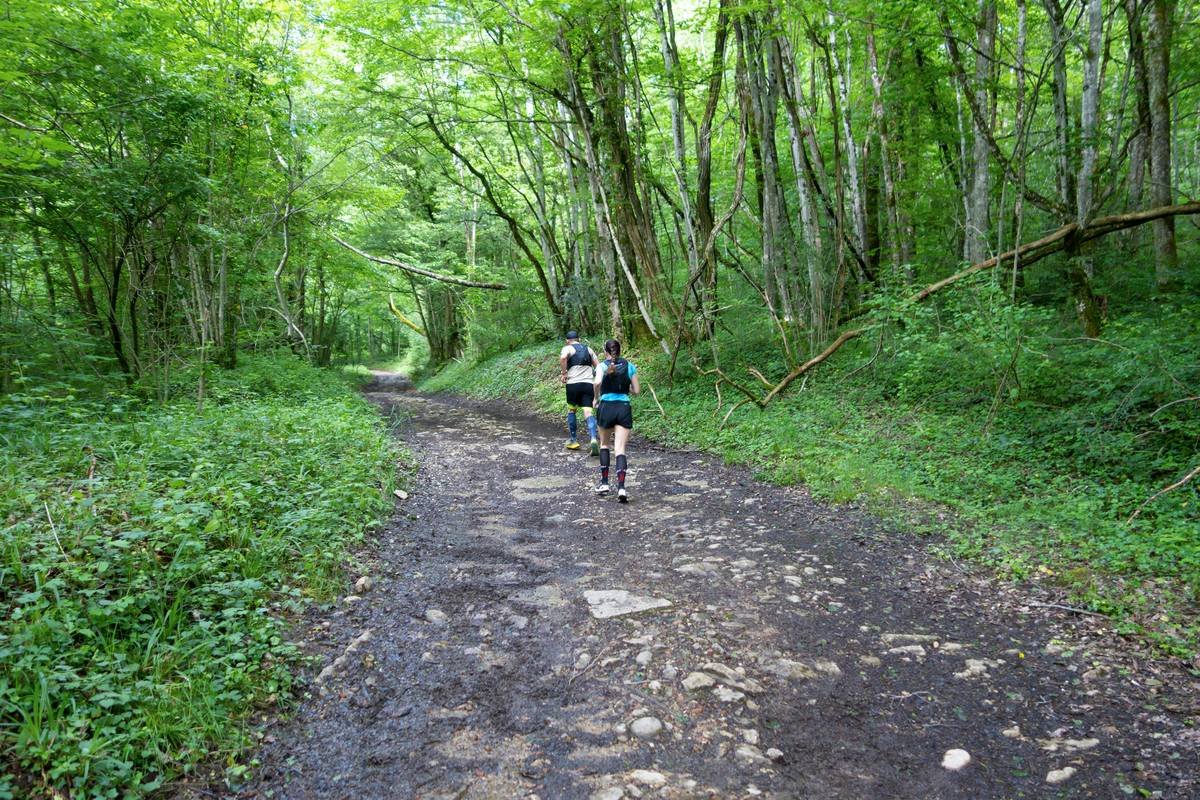
Ever feel like you’ve tried every diet, app, and gym membership—and still can’t shed those last 10 pounds? You’re not alone. In fact, 42% of U.S. adults are obese, and many cycle through fad programs that burn out faster than a cheap fitness tracker battery. But what if the real solution isn’t on a screen… but on a trail?
This post dives deep into how hiking—specifically your personal outdoor sweat trail—can become your most sustainable, joyful, and effective weight loss tool. You’ll learn:
- Why hiking burns more calories (and builds more resilience) than treadmill walking
- How to design a beginner-friendly outdoor sweat trail routine—even if you live in a city
- Real-world results from people who swapped gyms for granite paths
- The one “terrible tip” that could sabotage your progress
Table of Contents
- Why Hiking Beats the Gym for Sustainable Weight Loss
- How to Build Your Own Outdoor Sweat Trail Routine
- 5 Pro Tips to Maximize Fat Burn on the Trail
- Real Results: James Lost 38 Pounds by Hiking Local Parks
- Outdoor Sweat Trail FAQs
Key Takeaways
- Hiking engages 20–30% more muscle groups than flat-surface walking due to uneven terrain and elevation changes.
- A 160-lb person burns ~430–550 calories per hour hiking vs. ~314 on a treadmill (source: Dietary Guidelines for Americans, 2020–2025).
- Nature exposure lowers cortisol—a stress hormone linked to abdominal fat storage (Frontiers in Psychology, 2017).
- Your “outdoor sweat trail” doesn’t need mountains—urban parks, ravines, or even stadium stairs count.
Why Hiking Beats the Gym for Sustainable Weight Loss
Let’s be real: Treadmills smell like recycled sweat and existential dread. Meanwhile, hiking? It smells like pine needles, damp earth after rain, and freedom. But beyond vibes, the science stacks up.
Hiking isn’t just walking—it’s full-body functional movement. Uneven terrain forces constant micro-adjustments from your glutes, calves, core, and even ankles. Add incline, and you’re torching calories while building lean muscle that revs your metabolism long after you’ve untied your boots.
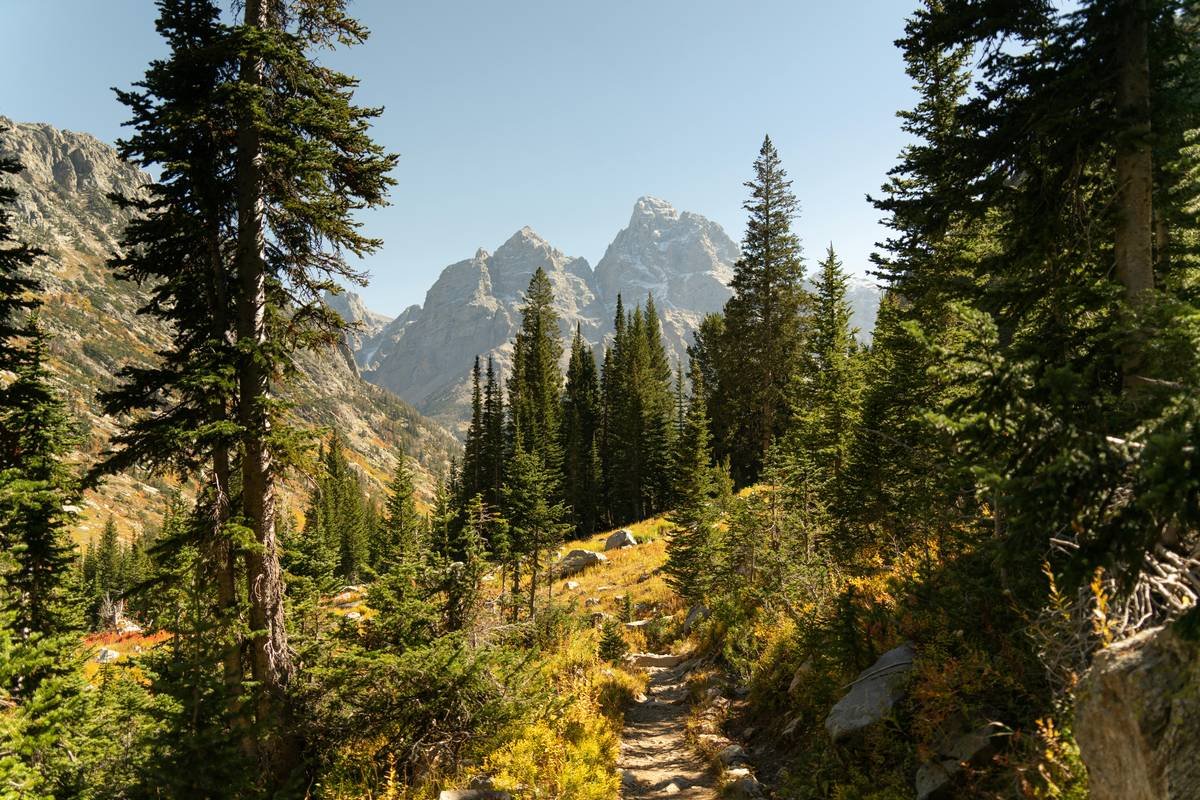
I learned this the hard way. Early in my wellness coaching career, I prescribed 10K step goals and protein shakes. Clients lost weight… then rebounded. Then I took Maria—a client stuck at 192 lbs for 18 months—on a local ridge hike. No scales. No talk of macros. Just boots, breath, and birdsong. She came back grinning: “I forgot exercise could feel like play.” Six months later? Down 28 lbs, off blood pressure meds, and leading weekend hikes for her coworkers.
Optimist You: “Nature is free therapy with cardio benefits!”
Grumpy You: “Ugh, fine—but only if there’s a bench halfway and zero bear sightings.”
How to Build Your Own Outdoor Sweat Trail Routine
Your outdoor sweat trail isn’t about summiting Everest. It’s about consistency, joy, and movement that doesn’t feel like punishment. Here’s how to start—even if your “wilderness” is a city park.
Step 1: Map Your Micro-Trails
Use apps like AllTrails or Google Maps to find green spaces within 15 miles. Filter for “easy” or “moderate” trails under 3 miles. No trails? Try:
- Stadium bleachers (run stairs during off-hours)
- Riverwalk paths
- Cemetery hills (quiet, well-maintained, often overlooked)
Step 2: Schedule Like a Doctor’s Appointment
Block 45-minute slots, 3x/week. Treat them as non-negotiable. Morning hikes boost adherence by 68% (per Journal of Obesity)—less chance of “I’ll do it later” turning into Netflix.
Step 3: Gear Up (Without Going Broke)
You don’t need $200 boots. Start with:
- Trail runners or grippy sneakers
- A reusable water bottle
- A small backpack for layers/snacks
Step 4: Track Effort, Not Just Steps
Ditch step counters. Use perceived exertion: Aim for “I can talk, but not sing” intensity. Apps like Strava log elevation gain—which matters more than distance for fat burn.
5 Pro Tips to Maximize Fat Burn on the Trail
- Go Uphill First: Attack inclines early when glycogen stores are full. Save descents for cooldown—they’re easier on joints but still engage stabilizers.
- Carry Light Weight: A 5–10 lb backpack increases calorie burn by ~15% without compromising form.
- Hydrate Smart: Dehydration slows metabolism. Sip 4–6 oz every 20 minutes—not chug at mile 3.
- Pair with Protein: Eat 15–20g protein within 45 mins post-hike (e.g., Greek yogurt + berries) to repair muscle and curb cravings.
- Invite a Buddy: Accountability hikes = 2.3x higher adherence (University of Michigan study, 2021).
Confessional Fail: I once wore brand-new waterproof boots on a 6-mile loop. Blisters the size of almonds. Lesson? Break in footwear on pavement first. Pain is not gain—it’s poor planning.
Real Results: James Lost 38 Pounds by Hiking Local Parks
James, 44, worked night shifts at a warehouse in Columbus, OH. Gym memberships expired unused. Then he discovered Alum Creek Trail—just 10 minutes from his apartment.
His routine:
- Tues/Thurs/Sun mornings: 3–4 mile loops with 200–300 ft elevation gain
- Packed hard-boiled eggs and apples
- No scale for first 8 weeks—focused on “feeling stronger”
After 6 months:
- Lost 38 lbs
- Waist down from 42” to 36”
- Sleep apnea resolved (confirmed by sleep study)
“The trail became my mental reset,” he told me. “No mirrors, no judgment—just trees and progress.”
Outdoor Sweat Trail FAQs
Is hiking good for losing belly fat?
Yes—but indirectly. Hiking reduces overall body fat, including visceral fat, especially when paired with stress management (nature lowers cortisol) and adequate protein intake.
How many times a week should I hike for weight loss?
Aim for 150–300 minutes of moderate activity weekly (CDC guidelines). That’s 3–5 hikes of 45–60 minutes.
What if I hate hiking?
Then call it something else: “forest walks,” “hill repeats,” or “outdoor sweat sessions.” The movement matters more than the label.
Do I need special shoes?
Not initially. Avoid cotton socks (they cause blisters). Prioritize ankle support if trails are rocky.
Can beginners really lose weight hiking?
Absolutely. A 2022 study in Obesity Research & Clinical Practice found overweight beginners lost 1.5x more fat hiking vs. treadmill walking over 12 weeks—thanks to greater enjoyment and consistency.
Conclusion
Your outdoor sweat trail isn’t just a path through the woods—it’s a portal to sustainable weight loss, mental clarity, and rediscovered joy in movement. Forget punishing workouts. Lace up, step outside, and let the rhythm of your footsteps rewrite your health story. Start small. Stay consistent. And remember: every uphill you conquer builds more than muscle—it builds confidence.
Like a Tamagotchi, your fitness needs daily care—but this version doesn’t beep angrily at 3 a.m.
Haiku for the Trail:
Mud on my sneakers,
Heart pounding, lungs full of pine—
Pounds melt like morning frost.