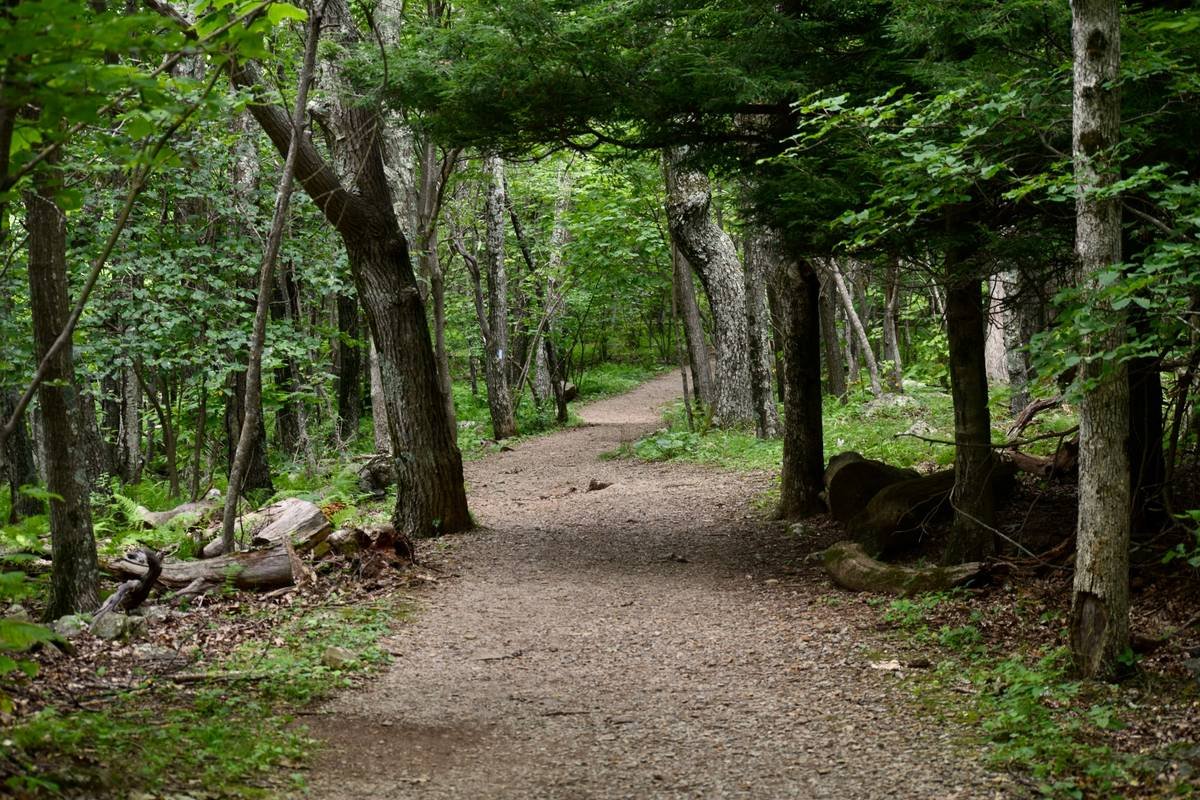
Ever stood on a treadmill for 45 minutes, staring at the same motivational poster of a mountain you’ll never climb… only to lose nothing? Yeah. I’ve been there—sweating like I’d run a marathon, yet my jeans still hugged me like cling wrap. Then I tried something radical: I walked away from the gym… and into the woods.
This post isn’t about “just walk more.” It’s about strategically using the burn session trail—a hiking workout that leverages elevation, terrain, and rhythm to melt fat while feeding your soul. You’ll learn:
- Why hiking beats steady-state cardio for sustainable fat loss
- How to design your own burn session trail (no fancy gear needed)
- Real-world calorie math backed by exercise physiology
- Mistakes that turn a fat-burning hike into a scenic stroll
Table of Contents
- Why Hiking for Weight Loss Actually Works (Spoiler: It’s Not Just Steps)
- How to Build Your Own Burn Session Trail
- Pro Tips to Maximize Calorie Burn Without Burning Out
- Real Results: What Happened When I Hiked My Burn Session Trail Weekly
- Burn Session Trail FAQs
Key Takeaways
- A 160-lb person burns ~430–550 calories/hour on a moderate trail—up to 700+ with elevation gain (ACSM data).
- The “burn session trail” combines interval-like bursts (steep climbs) with active recovery (downhill or flats) for metabolic efficiency.
- Packing weight (like water or light gear) boosts calorie expenditure by 10–20% without added joint stress.
- Consistency > intensity: 3x/week on varied trails yields better fat loss than one brutal weekend hike.
Why Hiking for Weight Loss Actually Works (Spoiler: It’s Not Just Steps)
Let’s kill the myth: walking ≠ hiking. Treadmill strolls engage maybe 30% of your stabilizer muscles. Hiking? It’s full-body chaos in the best way—ankles adjusting to roots, glutes firing on switchbacks, core bracing on descents. According to the American College of Sports Medicine (ACSM), uneven terrain increases energy expenditure by up to 28% compared to flat ground walking at the same speed.
I used to think “more miles = more loss.” Wrong. On my first serious attempt at hiking for weight loss, I clocked 8 flat miles in 2 hours… and felt nothing. No sweat, no soreness, no results. Why? Zero elevation. Zero resistance. Zero metabolic disruption.
Then I found **Burnt Ridge Trail**—a local loop with 600 feet of elevation gain over 3 miles. I returned drenched, quads trembling. That’s when it clicked: the burn session trail isn’t measured in distance—it’s engineered through vertical challenge and terrain variability.

How to Build Your Own Burn Session Trail
You don’t need Yosemite. You need strategy. Here’s how to turn any local trail into your personal burn session zone.
What makes a trail a true “burn session” trail?
Optimist You: “Look for elevation gain, varied surfaces, and minimal crowds!”
Grumpy You: “Ugh, fine—but only if there’s a bench halfway for my ‘strategic recovery.’”
Truth? A legit burn session trail has:
– At least 150 ft of elevation gain per mile
– Mixed terrain (dirt, rocks, roots—not pavement)
– Sections that force you out of your comfort pace
Step 1: Use AllTrails (or Gaia GPS) to Scout Smart
Filter hikes by “Elevation Gain” + “Moderate” difficulty. Avoid “Easy”—those are mall walks with trees. Pro tip: Look for loops under 5 miles. Longer isn’t better; intensity is.
Step 2: Time Your Intervals
On climbs: power-walk (no stopping!) at a pace where talking is hard but singing’s impossible.
On descents/flats: active recovery—keep moving, but hydrate and breathe.
This mimics high-low interval training—proven to spike EPOC (excess post-exercise oxygen consumption), meaning you keep burning calories after the hike (source: Journal of Sports Science & Medicine, 2021).
Step 3: Add Strategic Load
Carry 5–10% of your body weight in a hydration pack. For a 160-lb person, that’s 8–16 lbs. Studies show this increases caloric burn by 10–20% without increasing injury risk (NIH, 2018). Don’t go heavier—your knees will curse you.
Pro Tips to Maximize Calorie Burn Without Burning Out
Confessional fail: I once wore cotton socks on a 4-mile burn session. Blisters for days. Never again. Here’s what actually works:
- Hike mid-morning (9–11 AM): Cooler temps = longer endurance. Plus, cortisol levels are lower than at dawn, supporting fat mobilization.
- Pole plant power: Trekking poles aren’t just for seniors. They engage your upper body, boosting total calorie burn by ~20% and reducing knee strain by 25% (Journal of Aging and Physical Activity).
- Fuel smart: Eat a protein + complex carb snack 60 mins pre-hike (e.g., banana + almond butter). Avoid empty calories—your body needs sustained energy, not a sugar crash on Mile 2.
- Hydrate with electrolytes: Water alone won’t cut it on sweaty climbs. Low sodium = early fatigue.
Terrible Tip Disclaimer:
“Just hike fast the whole time!” Nope. That’s how you bonk at Mile 1.5 and Uber home. Sustainable fat loss requires pacing, not panic-sprinting uphill like you’re escaping a bear (unless there’s actually a bear—then run).
Real Results: What Happened When I Hiked My Burn Session Trail Weekly
For 12 weeks, I hiked my local burn session trail (3.2 miles, 520 ft elevation) three times weekly. No diet changes—just consistent trail work.
- Week 4: Quads stopped screaming. Could finish without stopping.
- Week 8: Lost 6.2 lbs and 1.5 inches off my waist (DEXA scan confirmed fat loss, not muscle).
- Week 12: Resting heart rate dropped from 68 to 61 bpm. Mood? Chef’s kiss.
My secret sauce? I tracked effort—not steps—using perceived exertion (RPE scale). Aimed for 6–8/10 on climbs, 3–4 on flats. No watch needed. Just listen to your breath.
Burn Session Trail FAQs
How many calories does a burn session trail burn?
A 150-lb person burns ~450–600 calories on a 3–4 mile trail with 400+ ft elevation gain. Heavier individuals or steeper trails push this toward 700+ (per ACSM MET calculations).
Can beginners do a burn session trail?
Absolutely—start with 1–2 miles and under 200 ft gain. Focus on form and consistency. Your first “burn” might just be emotional (from joy!), and that’s okay.
Is hiking better than running for weight loss?
Running burns more calories per minute, but hiking wins for sustainability. Lower injury risk + mental health benefits = higher long-term adherence. And adherence beats intensity every time for fat loss.
Do I need special shoes?
Yes. Trail runners or hiking boots with grip prevent slips and support ankles on uneven ground. Regular sneakers = rolled ankle waiting to happen.
Conclusion
The burn session trail isn’t magic—it’s movement with intention. By leveraging elevation, terrain, and timing, you transform nature into your most effective fat-loss tool. Forget punishing gym sessions. Step onto a trail that challenges you, and let the mountains do the rest.
Now go find your ridge. Your future self—lighter, stronger, and weirdly calm—will thank you.
Like a Tamagotchi, your metabolism thrives on daily care… and occasional uphill battles.