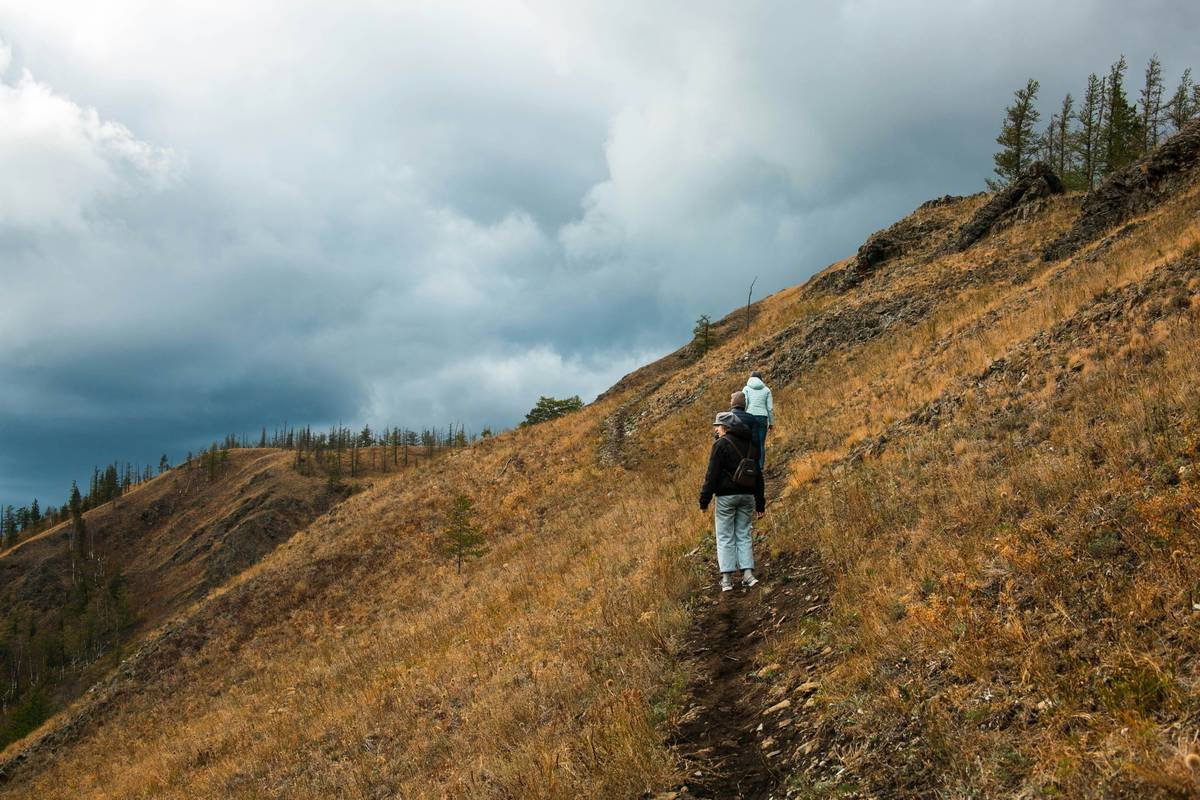
Ever laced up your trail runners, trekked uphill for 45 minutes, and thought, “Wait—am I actually burning calories or just sweating through my favorite t-shirt?” You’re not alone. Most people assume weight loss means treadmills, meal prepping, and counting every carb. But what if the forest path behind your house holds more fat-burning potential than your gym membership?
This post dives deep into sweat hike fitness—a no-nonsense, nature-powered approach to shedding pounds while boosting mental health, joint resilience, and cardiovascular strength. You’ll learn:
- Why hiking burns more calories than steady-state cardio (with real metabolic data)
- How to structure hikes for maximum fat loss without injury
- Mistakes that sabotage your sweat hike fitness goals (including one I made on Mount Tamalpais that left me hobbling for days)
- Real-world case studies from everyday hikers who dropped 20+ pounds
Table of Contents
- Why Hiking Beats the Gym for Sustainable Weight Loss
- How to Structure Your Sweat Hike Fitness Routine
- 7 Non-Negotiable Tips for Maximizing Fat Burn on Trails
- Real Results from Real Hikers: Case Studies
- Sweat Hike Fitness FAQs
Key Takeaways
- Hiking at moderate intensity burns ~430–550 kcal/hour for a 160-lb person—and more on inclines (per ACSM data).
- Sweat hike fitness builds lean muscle, lowers cortisol (stress hormone linked to belly fat), and improves insulin sensitivity.
- Consistency > intensity: 3x weekly 60-minute hikes yield better long-term results than weekend warrior marathons.
- Pack water, electrolytes, and protein—dehydration masquerades as hunger and stalls weight loss.
- Avoid the “trail snack trap”: swapping a protein bar for a candy bar negates 45 minutes of effort.
Why Hiking Beats the Gym for Sustainable Weight Loss
Let’s be real: most treadmills gather dust by February. But trails? They don’t judge. And they work with your biology—not against it.
According to the American College of Sports Medicine’s Compendium of Physical Activities, hiking at 2.5–3.5 mph with elevation gain burns 50% more calories than walking on flat ground. Why? Uneven terrain forces constant micro-adjustments from your glutes, quads, calves, and core—activating slow-twitch and fast-twitch fibers simultaneously. Translation? More afterburn (EPOC effect) = more calories burned after you’re done.
And it’s not just about calories. A 2022 International Journal of Environmental Research and Public Health study found that participants who walked in natural environments had significantly lower cortisol levels than those exercising indoors. Since elevated cortisol promotes abdominal fat storage and cravings, this is huge for weight loss sustainability.
I learned this the hard way during my first serious sweat hike fitness attempt—a 7-mile loop in Big Sur with zero trail experience. I wore cotton (rookie error #1), skipped electrolytes (#2), and ate a muffin at the summit (#3). Result? Cramps, dehydration, and zero energy for the descent. My Garmin logged 620 calories burned… but I gained back 0.8 lbs from water retention and inflammation. Lesson: Not all sweat equals fat loss.
How to Structure Your Sweat Hike Fitness Routine
Forget “just go walk.” Strategic sweat hike fitness requires planning. Here’s how to build a routine that actually melts fat:
How Long Should My Hikes Be for Weight Loss?
Aim for 45–90 minutes. Shorter hikes won’t tap into significant fat stores; longer hikes risk overtraining without proper fueling. Start with 3x/week at 60 minutes.
What Pace and Terrain Maximize Calorie Burn?
Pace: Brisk but conversational (you can speak in short sentences but not sing). This keeps you in your fat-burning zone (60–70% max heart rate).
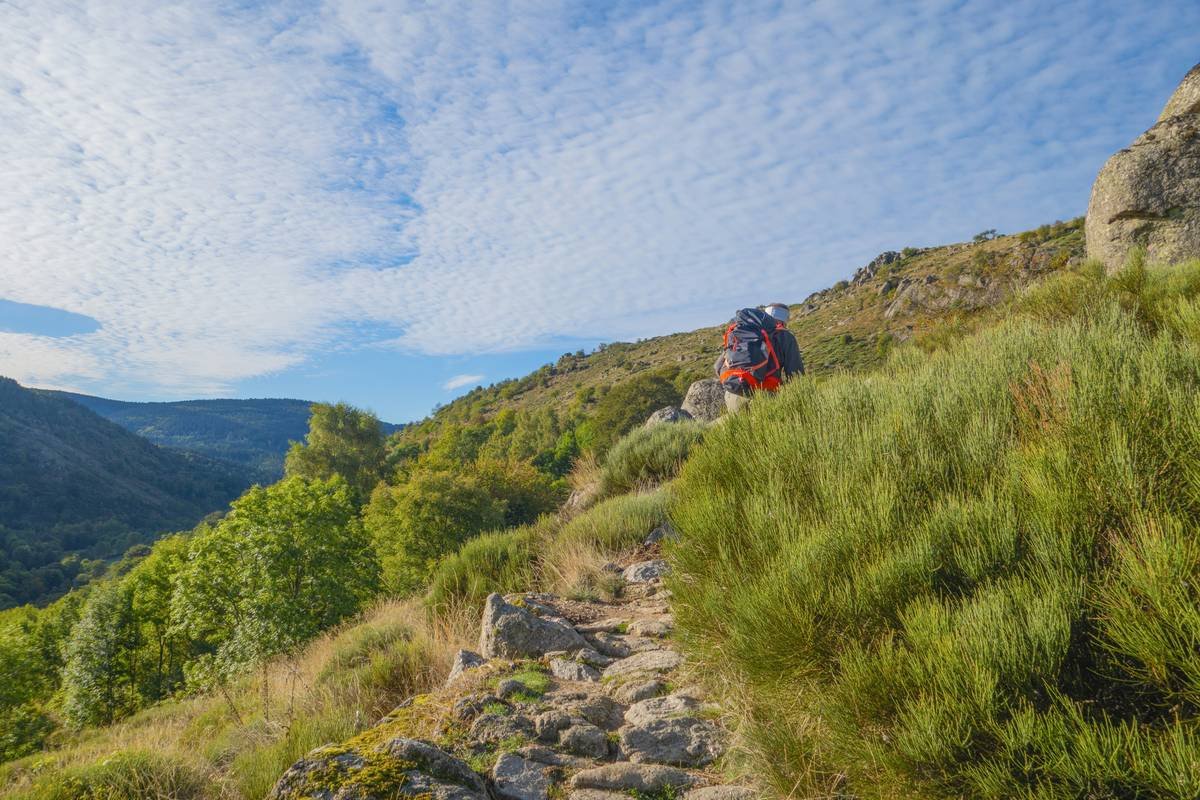
Terrain: Seek moderate elevation gain—500–1,000 ft per mile. Steeper isn’t always better; excessive incline shifts focus to anaerobic output, reducing sustained fat oxidation.
Should I Add Weight or Trekking Sticks?
Trekking poles**: Yes—they engage upper body, improve balance, and reduce knee impact by 25% (per Journal of Sports Sciences). Weighted vests**: Only after 4+ weeks of consistent hiking. Start light (5–10 lbs).
Optimist You: “Follow these tips and watch the scale drop!”
Grumpy You: “Ugh, fine—but only if coffee’s involved. And maybe a trailside espresso martini. Just kidding. Mostly.”
7 Non-Negotiable Tips for Maximizing Fat Burn on Trails
- Hydrate with electrolytes—not just water. Sodium loss slows metabolism.
- Eat 15g protein within 45 mins post-hike to preserve muscle mass (e.g., Greek yogurt, hard-boiled egg).
- Avoid “reward eating”—that post-hike burger erases your deficit.
- Wear moisture-wicking layers. Cotton traps sweat = chafing + heat stress.
- Track elevation gain, not just distance. Apps like AllTrails or Gaia GPS show net elevation.
- Hike in morning sunlight—boosts circadian rhythm, which regulates hunger hormones.
- Pair with strength training 2x/week—preserves metabolism during caloric deficit.
The Terrible Tip You’ll See Everywhere (Don’t Do This)
“Just hike as far as you can—the harder, the better!”
This is how people get rhabdomyolysis or chronic joint pain. Progressive overload matters. Week 1: flat trails. Week 3: gentle hills. Week 6: sustained elevation. Your knees will thank you.
Real Results from Real Hikers: Case Studies
Case Study 1: Maria, 42, Teacher
Goal: Lose 25 lbs after lockdown weight gain.
Plan: 3x/week 5-mile loops (avg. 600 ft gain), post-hike protein shake, eliminated sugary trail snacks.
Result: Lost 27 lbs in 5 months. Blood pressure dropped from 140/90 to 118/76.
Case Study 2: James, 56, Retiree
Goal: Manage prediabetes + lose belly fat.
Plan: Daily 45-min morning hikes in local state park, paired with Mediterranean diet.
Result: Fasting glucose improved from 112 mg/dL to 94 mg/dL in 4 months; lost 18 lbs.
Both used free apps—AllTrails for route planning, MyFitnessPal for nutrition—to stay accountable without spending a dime.
Sweat Hike Fitness FAQs
Does hiking really count as cardio for weight loss?
Absolutely. Per CDC guidelines, hiking meets moderate-intensity aerobic activity requirements when done briskly with elevation. It’s especially effective for visceral fat reduction.
Can beginners do sweat hike fitness?
Yes! Start with flat, paved trails (like rail-trails) for 20–30 minutes. Gradually add hills. Always consult a doctor if you have heart/knee issues.
How soon will I see weight loss results?
Most see changes in 3–4 weeks when combining hiking with modest calorie control. Water weight drops first; fat loss becomes visible around week 5.
Do I need special gear?
Only proper footwear (trail runners or hiking shoes) and weather-appropriate clothing. No fancy gadgets required.
Conclusion
Sweat hike fitness isn’t a trend—it’s ancestral movement repackaged for modern weight loss. By leveraging nature’s uneven terrain, fresh air, and built-in stress relief, you tap into a sustainable fat-burning system that gyms can’t replicate. Start smart, stay consistent, and remember: every step uphill is a step away from stubborn weight.
Now go lace up. The trail doesn’t care if you’re five pounds heavier today—it only asks that you show up.
Like a 2004 Myspace profile, your metabolism needs regular updates—so hit those trails before your “Top 8” friends do.