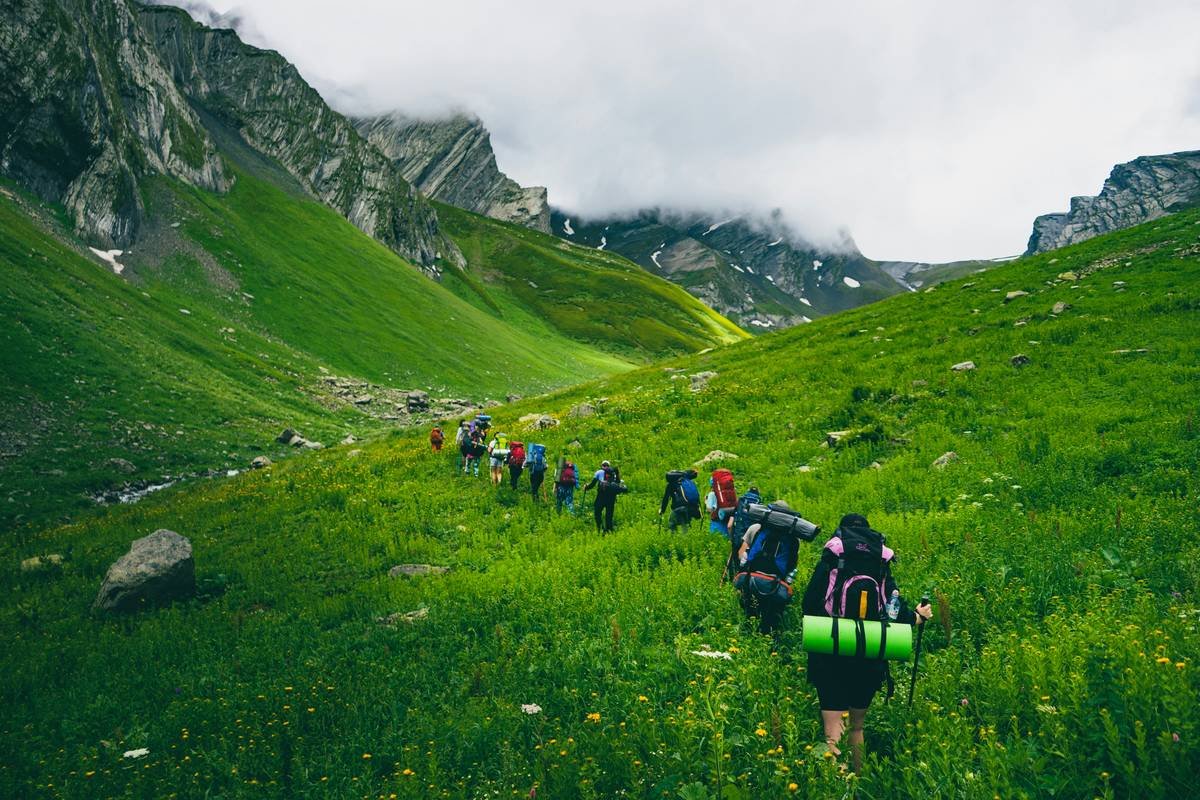
You signed up for that mountain trail. You’re stoked. Then mile two hits—and your quads scream betrayal. Your lungs burn. Your pack feels like it’s full of bricks. And suddenly, “scenic view” sounds like a cruel joke. The problem isn’t your willpower. It’s that you trained like a bodybuilder—not a hiker. Generic squats and treadmill walks won’t cut it on uneven terrain with elevation gain. But there’s a better way: functional, hike-specific conditioning that mimics the actual demand of the trail.
Why most “hiking fitness” advice sets you up to fail
Gyms sell machines that isolate muscles in stable environments. Hiking demands unstable balance, eccentric loading on descents, and sustained cardio under load. Big difference.
And yet—most online guides recycle the same 5 moves: lunges, planks, step-ups. Helpful? Sure. Sufficient? Hardly.
The reality: if your prep doesn’t include **unilateral stability**, **loaded carries**, and **eccentric control**, you’re just building aesthetics—not trail resilience. Your body adapts to what you practice. Practice flat-ground squats; your knees wobble on switchbacks. Practice nothing with weight; your shoulders cave after an hour.
exercises for hiking preparation: the 4-week field-tested protocol
Forget “burn calories.” Focus on *movement integrity under fatigue*. Here’s how:
Eccentric step-downs (not just step-ups)
Hiking down is harder than hiking up—yet 90% of prep ignores it. Stand on a 6-inch box. Step down slowly (4 seconds) into a lunge. Keep your knee tracking over your toe. Do 3×8 per leg, twice weekly. This builds quad and knee resilience where most injuries happen.
Loaded farmer’s carry + uneven ground
Grab two heavy dumbbells (start at 20-25% of bodyweight). Walk 40 meters across grass, gravel, or a balance pad. No smooth floors. This forces ankle stabilization, grip endurance, and core bracing—exactly like managing a loaded pack on rocky paths.
Incline treadmill walks with poles
Yes, poles. Even if you don’t plan to use them, training with trekking poles engages your upper back and reduces knee impact by up to 25%. Set treadmill to 12% incline. Walk 20 minutes at conversational pace. Add weight vest in week 3.
| Exercise | Primary Benefit | Frequency | Weight/Load Progression |
|---|---|---|---|
| Eccentric step-downs | Knee stability on descents | 2x/week | Add 1 sec descent time weekly |
| Farmer’s carry (uneven surface) | Ankle/core endurance under load | 2x/week | +5 lbs every 5 days |
| Incline walk w/ poles | Cardio efficiency + upper-body integration | 3x/week | Add 2% incline or 5-lb vest weekly |
| Single-leg deadlifts (bodyweight → kettlebell) | Hip hinge strength for steep climbs | 2x/week | Start unweighted; add 8-12 kg by week 4 |
The industry secret: train tired, not fresh
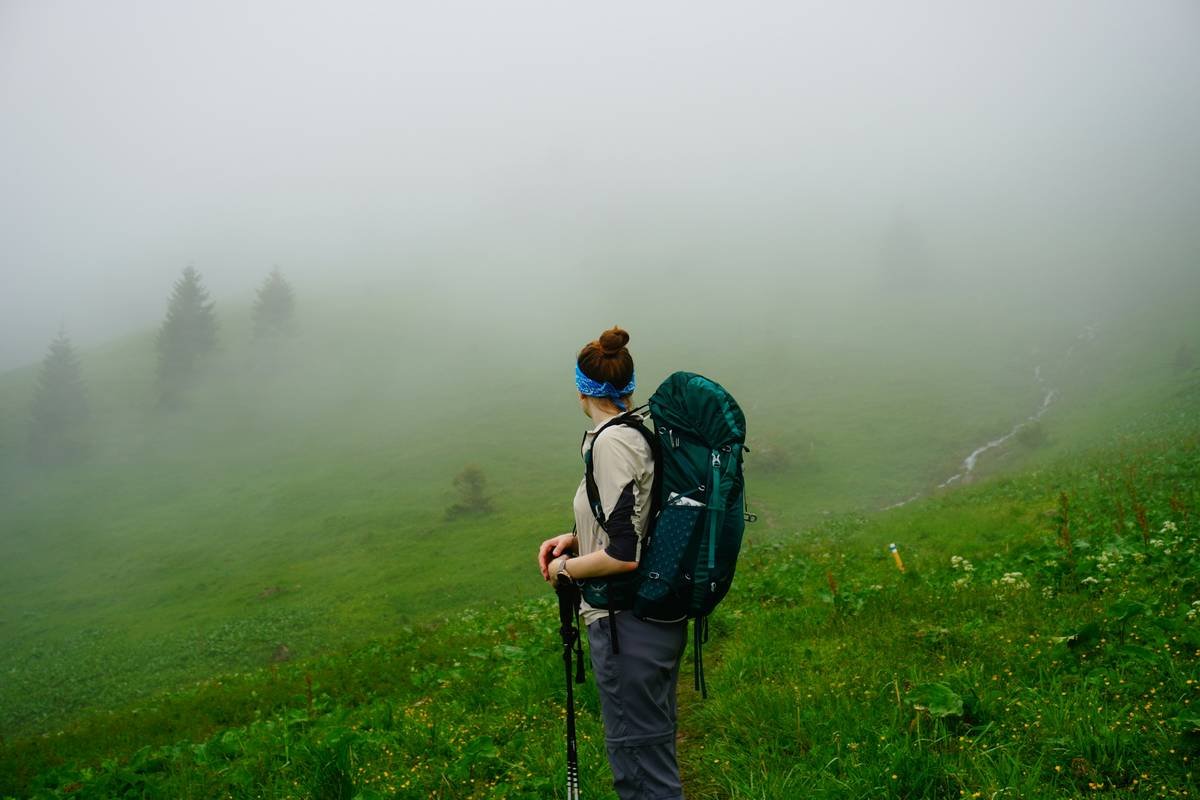
Here’s what trainers won’t tell you: hiking happens when you’re fatigued. Yet most people do their prep workouts rested, early morning, fully fueled. That’s mismatched stimulus.
The fix? Stack conditioning at the end of strength sessions—or do short “trail模拟” drills post-cardio. Example: after your incline walk, immediately do 3 rounds of 10 single-leg deadlifts per side. Your form degrades. Your nervous system learns to fire under duress. That’s how you avoid face-planting on Day 3 of a backpacking trip.
Think about it: your legs won’t be fresh on mile 8. Train accordingly.
Frequently Asked Questions
How far in advance should I start hiking prep exercises?
Begin at least 4–6 weeks out. Less than that, and you’re just causing soreness—not adaptation. More than 8 weeks without progression leads to plateau.
Can I prepare without a gym?
Absolutely. Use stairs for step-downs, backpacks filled with books for loaded carries, and hills or stadium bleachers for incline work. Gym access isn’t the bottleneck—consistency is.
Should I stretch before hiking prep workouts?
No. Skip static stretching pre-workout. Do dynamic movements like leg swings, walking lunges with twist, and cat-cow flows. Save deep stretching for post-session recovery.